
Store Beauty Products in Hot Climate: The Complete UAE Guide
11 September 2026

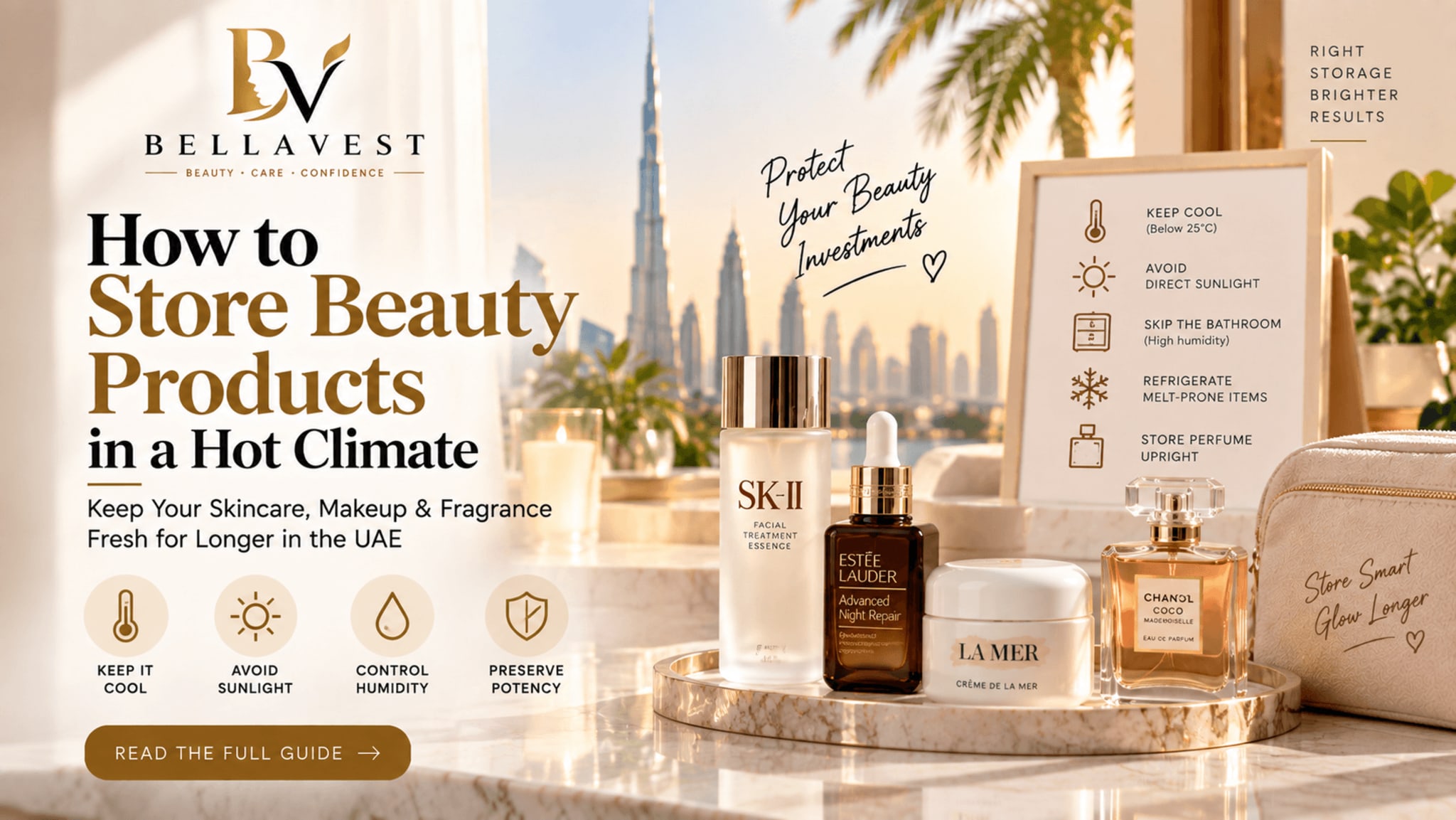
Key Takeaways
- Heat and humidity speed up oxidation, so most creams and serums last longest below 25°C, away from direct sunlight.
- To keep beauty products stable in hot weather, treat your bathroom cabinet as a last resort and prioritize a cool, dark drawer or shelf instead.
- Fragrances degrade fastest in warm, damp air, so keep perfume bottles upright in a bedroom drawer, never on a sunny windowsill.
- Melt-prone textures like lipsticks, balms, and cream blushes belong in the fridge during peak UAE summer months.
- Check texture, smell, and color every few weeks, because heat shortens beauty product shelf life even when a product looks fine.
The Science of Heat and Beauty Product Degradation
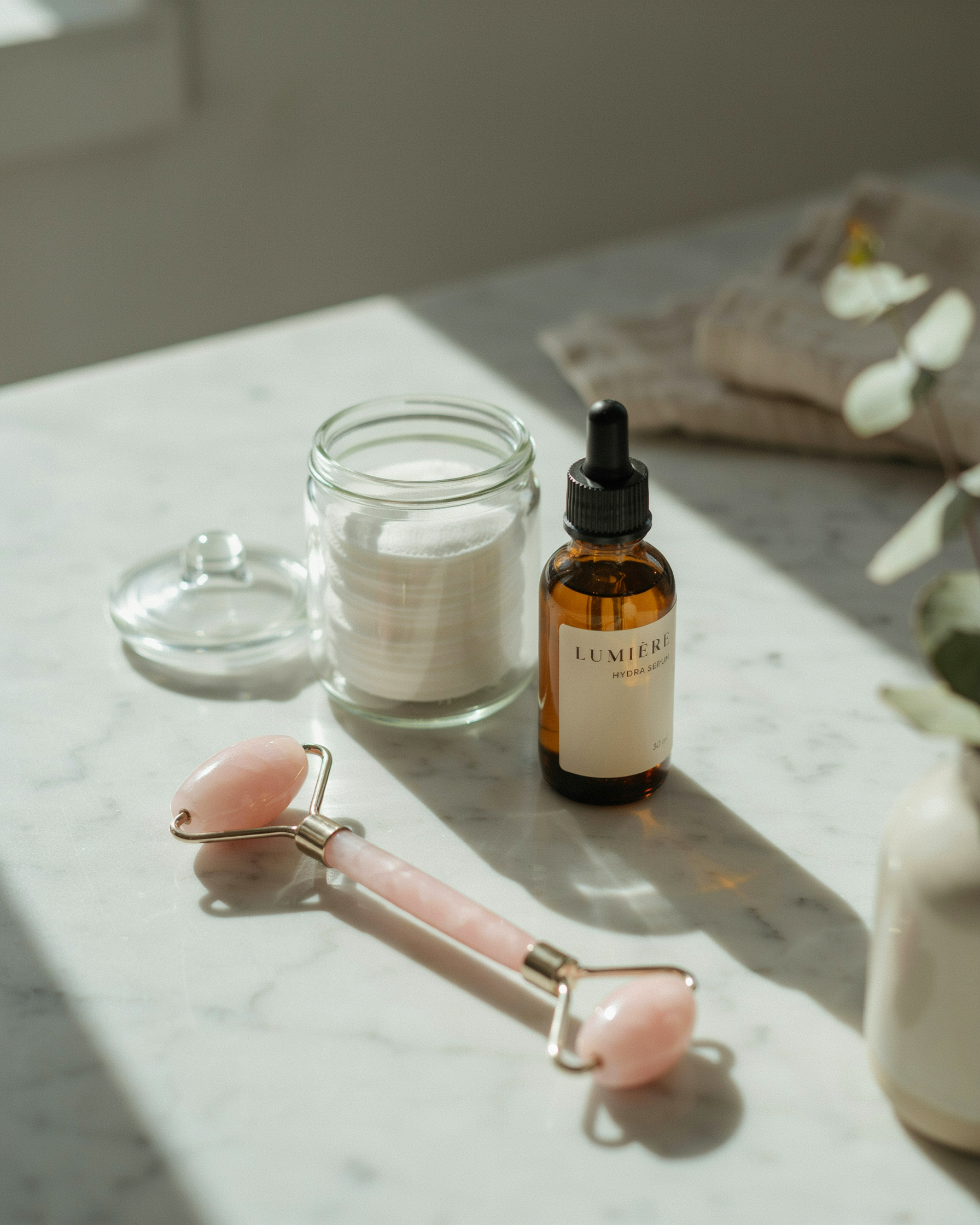
If you want to store beauty products in hot climate conditions, you need to understand what heat actually does to a formula. It makes a cream feel runny, sure, but it also changes what the product actually is. Most beauty formulas are emulsions, meaning oil and water are held together by emulsifiers. When temperatures climb past roughly 30°C for hours at a time, those emulsifiers start to weaken. The oil and water separate, and the texture you paid for turns grainy or watery. That's not a cosmetic problem. It's a chemical one.
In this article
- Key Takeaways
- The Science of Heat and Beauty Product Degradation
- Skincare Storage Tips for UAE Summers
- Perfume Storage UAE: Protecting Fragrance Integrity
- How to Keep Cosmetics from Melting
- Beauty Product Shelf Life in Hot Climates
- Room-by-Room Storage Strategy for UAE Homes
- Travel and Handbag Storage in Extreme Heat
- Signs Your Beauty Products Have Gone Bad
- What to Buy and What to Avoid for Hot Climates
- Frequently Asked Questions
- Can I store beauty products in the bathroom during a UAE summer?
- What temperature is too hot for skincare products?
- Should I refrigerate my moisturizer in hot weather?
- How do I know if my sunscreen has gone bad from heat?
- Does perfume expire faster in the UAE?
Active ingredients are the first casualties. Vitamin C, retinol, and many peptides are heat-sensitive molecules. Above about 25°C, vitamin C oxidises faster, losing potency even if the product still looks fine. Retinol breaks down into less effective compounds. You won't always see the damage. A serum can look perfect while its active ingredient has quietly degraded to half strength.
Humidity adds a second layer of trouble. UAE summers routinely push humidity past 80%, and water is a preservative's enemy. Preservatives like phenoxyethanol and parabens work by keeping bacteria and mould from multiplying. But when extra moisture gets into a jar every time you open it, the preservative system has to work harder. Eventually it can't keep up, and you get invisible microbial growth. That's why a product that lasted six months in a dry climate might spoil in three here.
UV exposure is the third factor, and it's the one people forget. Sunlight breaks chemical bonds. Fragrance molecules are especially vulnerable, which is why a perfume left on a sunny windowsill can smell sour within weeks. The same UV that fades your curtains is quietly degrading your skincare actives. This is why we tell customers to keep beauty products in hot climate conditions away from windows, even indoors. Glass bottles don't block UVA, so a pretty shelf by the window is the worst place for a serum.
None of this requires a lab to understand. Heat speeds up every chemical reaction, including the ones that spoil your products. Humidity feeds microbes. Light breaks bonds. Control those three variables and your products last dramatically longer.
Skincare Storage Tips for UAE Summers
Serums and creams are the first casualties of a UAE summer. Actives like vitamin C, retinol, and niacinamide oxidize faster once indoor temperatures climb past 30°C, and that means the product stops doing its job long before the jar is empty. The simplest fix is to move your daily-use skincare into the coolest room in the house, usually a bedroom wardrobe or a hallway cabinet away from windows. A bathroom shelf feels convenient, but the steam from showers pushes humidity high enough to break emulsions and encourage mold around jar rims.
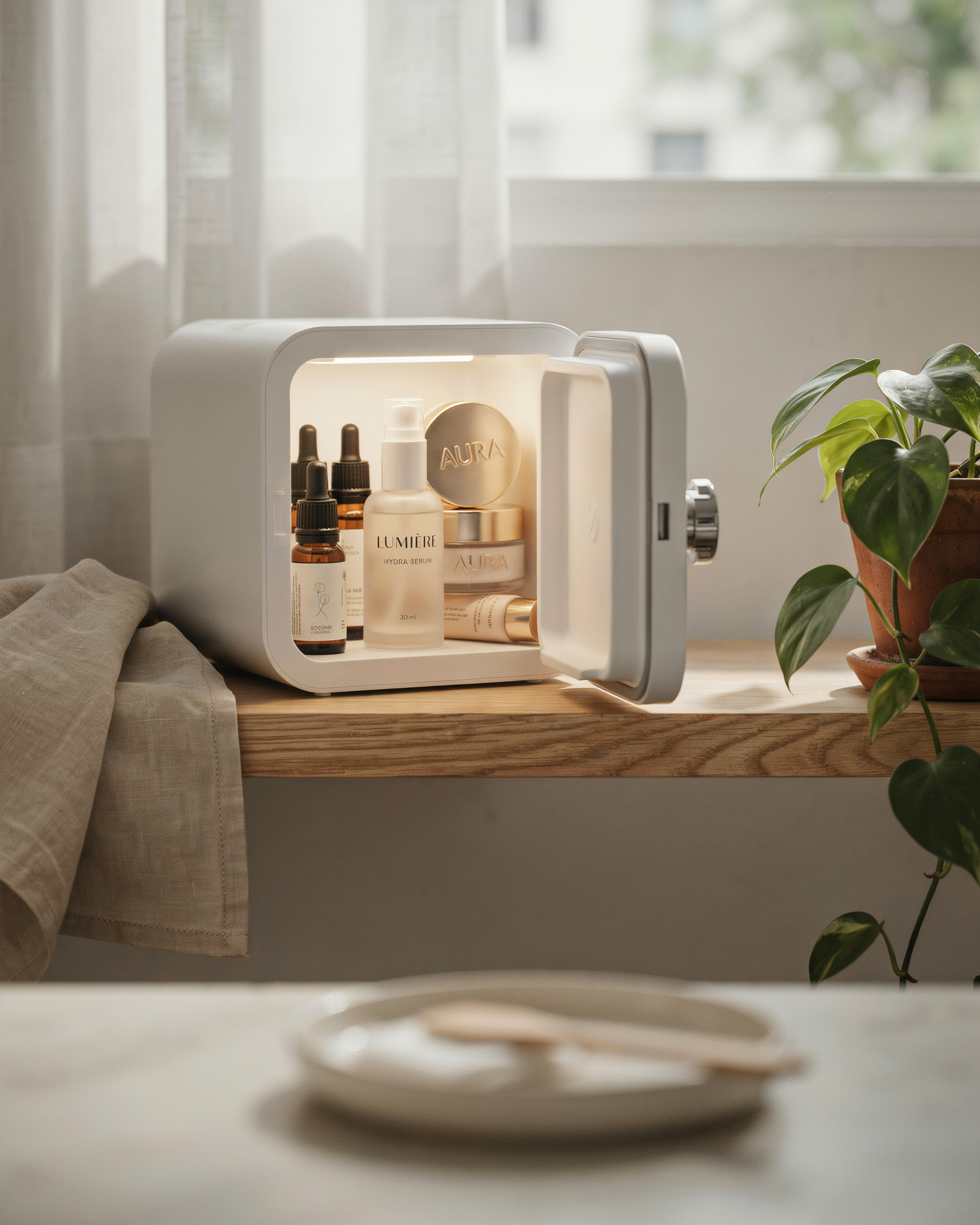
We keep our own serums in the fridge door, not the back. The door is warmer but stable, while the back of the fridge can dip low enough to make some gel textures separate. Water-based serums and eye creams tolerate cold well; heavy creams and balms do better in a dark drawer at room temperature. If you use a Beauty of Joseon Revive Eye Serum Ginseng + Retinal, the fridge door is a good home for it, because retinal degrades with heat and light more than most actives.
Sunscreen needs its own rule. Heat does not make SPF dangerous, but it can make the formula separate, and a separated sunscreen applies unevenly. That means patchy protection. Store sunscreen below 30°C and out of direct sun, and never leave it in a parked car. A car interior in August can pass 60°C in under an hour. The BEAUTY OF JOSEON Relief Sun: Rice + Probiotics SPF50 is a lightweight formula that holds up well in a handbag for a morning, but it still belongs in a drawer at home, not on a windowsill.
Cleansers are the exception. A Beauty of Joseon Green Plum Refreshing Cleanser 100ml can sit on the bathroom counter without much risk, because water-based cleansers have fewer fragile oils and actives. The same goes for cleansing balms, though a Beauty of Joseon Radiance Cleansing Balm 100ml will melt in a hot room, so keep it upright and away from the window. If it softens, it still works; just let it firm up in a cooler spot before scooping.
Perfume Storage UAE: Protecting Fragrance Integrity
Heat is the quiet enemy of every bottle on your vanity. When fragrance sits above 25°C for long stretches, the top notes, those bright citrus and green accords you smell first, evaporate fastest. What remains is a heavier, flatter version of the scent you bought. In a UAE summer, a windowsill or a bathroom shelf can easily hit 35°C or more, so the damage happens within weeks, not months.
The fix is simpler than most people expect. Keep bottles in a dark, cool spot where the temperature stays steady. A bedroom drawer, a closed wardrobe shelf away from the wall that gets afternoon sun, or a dedicated cabinet works well. Avoid the bathroom entirely if you can. The daily swing between hot shower steam and air-conditioned cool air stresses the juice and loosens the cap seal over time.
Light matters as much as heat. Direct sunlight breaks down the molecules that give a perfume its complexity, which is why many high-end fragrances ship in tinted glass. If you keep a bottle on display, choose a spot that never catches direct rays. A tray on a dresser in a north-facing room is fine. A shelf beside a window is not.
We also recommend keeping the original box. It adds a layer of insulation and blocks light when the bottle is not in use. And if you rotate fragrances by season, store the off-season bottles in a cool cupboard rather than leaving them out. That small habit extends the life of a bottle by months, sometimes longer. Bellavest carries a wide range of authentic fragrances, and a little care at home keeps them smelling exactly as the perfumer intended.
How to Keep Cosmetics from Melting
Lipsticks, cream blushes, and stick formulas are the first casualties of a UAE summer. Most wax-based lipsticks soften at around 40°C and fully melt between 50°C and 60°C, while cream blushes and stick foundations start losing their shape at 35°C. A car parked in August heat can reach 70°C inside, which means a lipstick left in the glovebox is already a puddle before you get back from the mall.
The simplest fix is to keep cosmetics from melting by treating them like dairy. If you wouldn't leave butter in the car, don't leave a cream blush there either. At home, store stick formulas upright in a drawer away from windows and appliances. The bathroom cabinet above a hot shower is a slow oven, and the vanity table next to a sun-facing window is not much better. A bedroom drawer or a shelf in a cool hallway works well.
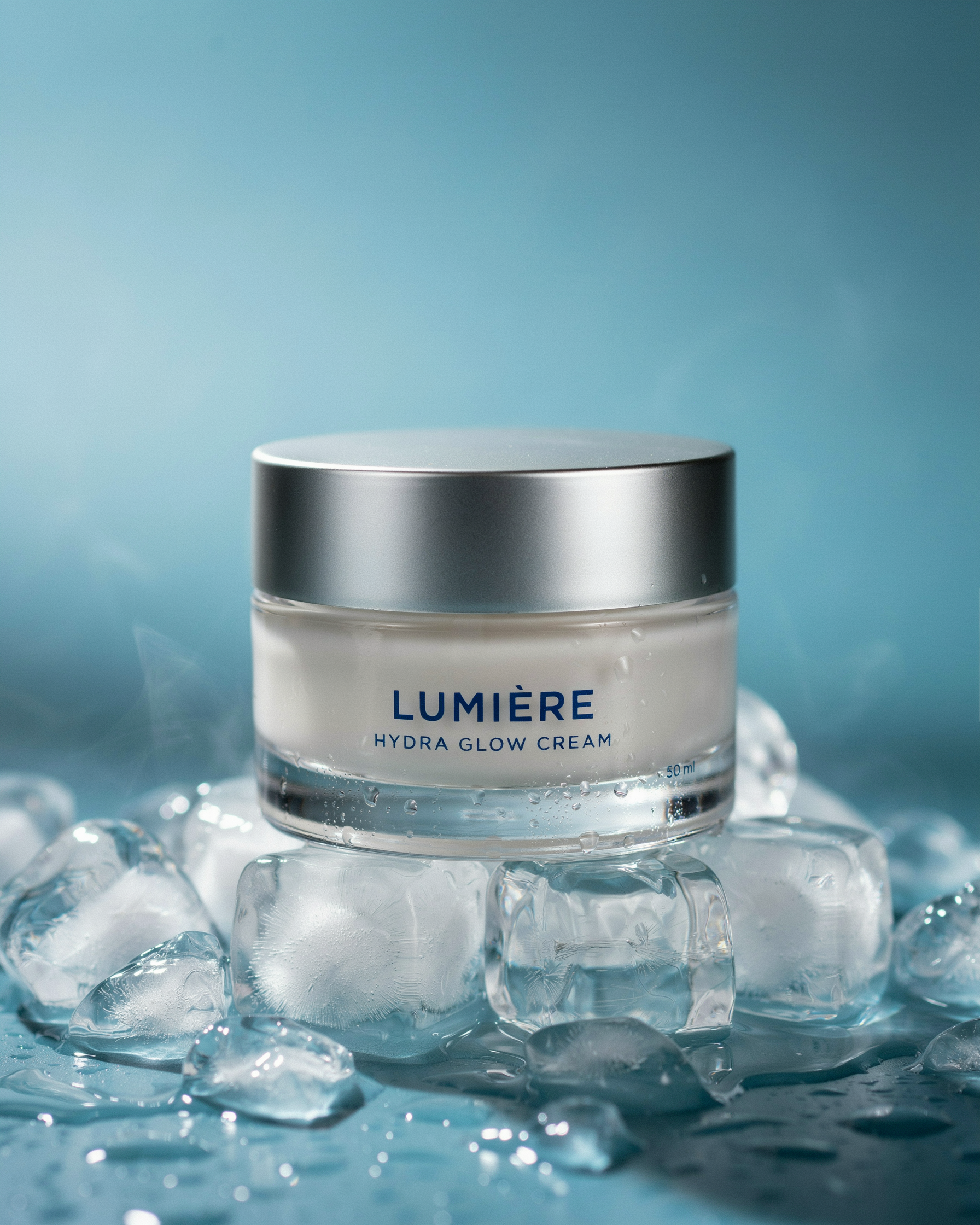
For lipsticks that have softened but not fully melted, pop them in the fridge for 20 minutes before applying. This re-firms the wax without changing the texture long-term. Cream blushes and stick foundations respond well to the same trick, though you should let them sit at room temperature for a minute after chilling so they glide instead of dragging. If a lipstick has actually melted and re-set, it's usually safe to use but the bullet may sit loose in the tube, so apply with a brush or your fingertip instead of twisting it up too far.
Travel days need a different approach. A small insulated pouch with a cool pack keeps stick formulas stable for a few hours in a handbag, and it's worth the space when you're carrying a cream blush you actually like. If you're ordering replacements, look for formulas with a higher melting point, usually those with more wax and less oil, and check the product page for storage notes before you buy.
Beauty Product Shelf Life in Hot Climates
Heat doesn't just make products feel different. It actively shortens beauty product shelf life by speeding up every chemical reaction inside the formula. A moisturizer that would stay stable for twelve months in a 20°C bedroom can start separating, oxidizing, and losing active ingredients within six to eight months when it sits in a 30°C UAE bathroom. That's not a small difference. It's the gap between a product that works and one you're throwing away half-used.
Most beauty products carry a period-after-opening symbol, a small open jar icon with a number like 6M or 12M, printed on the packaging. That number assumes typical room-temperature storage. In a hot climate, treat it as a best-case scenario. A 12M product stored in a warm bathroom is realistically closer to an 8M product. A 6M eye cream kept in a handbag that bakes in a parked car might last four months before the texture turns grainy and the preservatives start failing.
Water-based formulas are the most vulnerable. Toners, essences, and gel moisturizers provide a friendly environment for bacteria once preservatives degrade, and heat accelerates that degradation. Oil-based products like cleansing balms and facial oils resist microbial growth better, but they can still go rancid. You'll notice it as a sour, crayon-like smell that wasn't there when you bought it. Vitamin C serums are especially heat-sensitive: they oxidize faster, turning from pale straw to deep amber, and once that happens the antioxidant benefit is mostly gone.
Powders are the exception. Loose powders, pressed powders, and powder blushes have almost no water content, so they resist microbial contamination and can last well beyond their printed dates even in warm conditions. The main risk is hardening from humidity, not spoilage. Cream and liquid products are the ones to watch closely.
One practical habit helps more than any chart: write the opening date on the product with a permanent marker. When you know a serum was opened in March, you can make a realistic call in September instead of guessing. And if a product has changed color, separated into layers that won't remix, or developed an off smell, don't try to rescue it. The cost of a replacement is small compared to the cost of a skin reaction.
Room-by-Room Storage Strategy for UAE Homes
Most homes in the UAE have three realistic storage zones: the bathroom, the bedroom, and the fridge. Each one trades humidity against temperature, and the wrong choice can quietly shorten a product's life. We'll break down what belongs where, because the answer isn't the same for every bottle on your shelf.
The bathroom is the worst offender, even though it feels convenient. Every shower spikes humidity above 80%, and that moisture works its way into creams, powders, and especially pressed compacts. Heat plus steam accelerates separation in emulsions and encourages mould in water-based formulas. If you want to store beauty products in hot climate conditions without constant spoilage, keep only daily cleansers and shower gels in the bathroom. Anything with active ingredients, like retinoids or vitamin C, should live elsewhere.
The bedroom is the default choice for most skincare and makeup. A drawer or a shelf away from direct sunlight keeps temperatures stable, usually between 24 and 28 degrees Celsius with air conditioning running. That's warm but workable for most formulas. The real risk is a windowsill or a vanity that catches afternoon sun. A closed drawer beats an open shelf every time, and a dark cupboard beats both. Perfume bottles especially benefit from a bedroom drawer, since light degrades fragrance oils faster than moderate heat does.
The fridge is genuinely useful for a narrow set of products. Vitamin C serums, eye creams, and water-based mists stay fresher longer at 4 to 8 degrees Celsius. But the fridge is also humid, and condensation forms every time you take a bottle out. That's why oil-based serums, balms, and most makeup should stay out. A dedicated beauty fridge set to a stable temperature works better than the kitchen fridge, where food odours can seep into open jars.
Our practical rule: bathroom for rinse-off products only, bedroom drawer for everything else, fridge for a small tray of heat-sensitive actives. When you buy from Bellavest, the products arrive in sealed packaging that's already protected for UAE transit, so you're starting from a good baseline. The storage choice after that is yours.
Travel and Handbag Storage in Extreme Heat
A car parked in a UAE summer can hit 60°C inside within an hour, and a handbag left on a passenger seat is effectively an oven. We tell customers the same thing every June: never leave lipstick, cream blush, or a fragrance bottle in the car, even for a quick errand. The heat separates emulsions, melts waxes, and can make a perfume smell sharp and alcoholic within a single afternoon.
If you have to carry beauty products through the day, keep the bag small and the contents minimal. A tinted sunscreen, a pressed powder, and a lip balm in a metal tin survive heat far better than a liquid foundation or a cream eyeshadow. We like the BEAUTY OF JOSEON Relief Sun: Rice + Probiotics SPF50 for this exact reason: the tube is compact, the formula stays stable, and you can reapply without worrying that it has separated in your bag.
For perfume storage UAE summers, the workaround is simple. Decant a small amount into a travel atomizer and leave the full bottle at home in a cool drawer. An atomizer is cheaper to replace than a 100ml bottle of fragrance, and a metal or glass one insulates better than plastic. Keep it in an interior bag pocket, not against the outside of a tote that sits in direct sun.
When you do need to keep cosmetics from melting on a longer trip, an insulated lunch pouch with a small ice pack works surprisingly well. Wrap anything liquid in a paper towel first so condensation doesn't ruin the label, and pack the pouch last so it stays out of the sun for as long as possible. The goal is not to refrigerate your makeup, just to keep it below the point where texture and preservatives start to fail.
Signs Your Beauty Products Have Gone Bad
Heat damage rarely announces itself with a loud pop. It shows up quietly, in ways you might brush off as normal wear. Learning to read those signals saves you from putting spoiled product on your skin, which matters more in a climate where a single forgotten handbag can expose a serum to 45°C for hours. The most obvious warning is separation: a cream that now looks like watery liquid floating over a thick paste, or a foundation that beads into tiny droplets. That emulsion has broken, and no amount of shaking will restore it. Texture shifts are just as telling. A balm that once melted smoothly but now feels grainy, a lipstick that drags instead of glides, a lotion that has turned stringy or lumpy. These are signs the waxes, oils, and water phases have destabilized.
Odor changes are the ones most people miss because perfume storage UAE habits tend to mask them. A moisturizer that smells sour, metallic, or like old cooking oil has oxidized. Sunscreen is especially prone to this: a rancid, plastic-like scent means the filters have degraded and the SPF protection is gone. Color shifts round out the list. A vitamin C serum that has deepened from pale straw to dark amber has oxidized past usefulness. A cream that develops yellow patches or a foundation that turns orange has reacted with heat and air. When you see any of these, stop using the product. It won't perform, and it may irritate skin that's already stressed by the summer. Trust the change, not the expiration date on the box.
What to Buy and What to Avoid for Hot Climates
When you store beauty products in hot climate conditions, format matters as much as brand. Creams in open jars oxidise faster than anything else, so we lean toward pump bottles and airless tubes. They keep fingers out and limit the oxygen that speeds up spoilage. The Beauty of Joseon Revive Eye Serum Ginseng + Retinal is a good example: the dropper keeps the formula sealed between uses, which helps it hold up through a UAE summer.
Solid formats win in the heat. Balms, sticks, and powder compacts resist melting better than whipped textures. The Beauty of Joseon Radiance Cleansing Balm 100ml stays stable in a warm bathroom because it's a solid that melts on contact with skin, not in the container. For cleansers, gel and foam textures beat cream cleansers for shelf stability. The Beauty of Joseon Green Plum Refreshing Cleanser 100ml is a gel formula that tolerates warmth better than most.
Avoid anything with a high water content in a jar, and skip vitamin C serums in clear bottles unless you plan to use them fast. Light plus heat degrades actives quickly. Bellavest curates its selection with UAE storage in mind, so you'll find more heat-tolerant formats than you would browsing a generic catalogue.
Frequently Asked Questions
Can I store beauty products in the bathroom during a UAE summer?
Bathrooms get hot and humid, which shortens shelf life and encourages bacteria. Keep everyday items like cleansers in a cabinet, but move serums, creams, and makeup to a cooler room. A bedroom drawer or wardrobe shelf works well.
What temperature is too hot for skincare products?
Most skincare formulas stay stable below 25°C. Temperatures above 30°C can separate emulsions, thin out creams, and weaken active ingredients. If your room feels uncomfortably warm, your products are likely stressed too.
Should I refrigerate my moisturizer in hot weather?
Refrigeration suits water-based gels, eye creams, and vitamin C serums. Thick creams and oils can harden or separate when chilled. A dedicated beauty fridge set to 8-12°C works better than a food fridge with fluctuating temperatures.
How do I know if my sunscreen has gone bad from heat?
Check for texture changes, separation, a sour or chemical smell, or a watery consistency. Sunscreen that has been in a hot car or beach bag for hours should be replaced. Heat degrades UV filters even if the product looks fine.
Does perfume expire faster in the UAE?
Yes. Heat and sunlight break down fragrance oils, causing top notes to fade and the liquid to darken. Store bottles in their original boxes, away from windows and radiators. A dark cupboard at room temperature preserves scent for years.