
Best Sunscreen for Oily Skin UAE: Top Picks for 2026
11 سبتمبر 2026

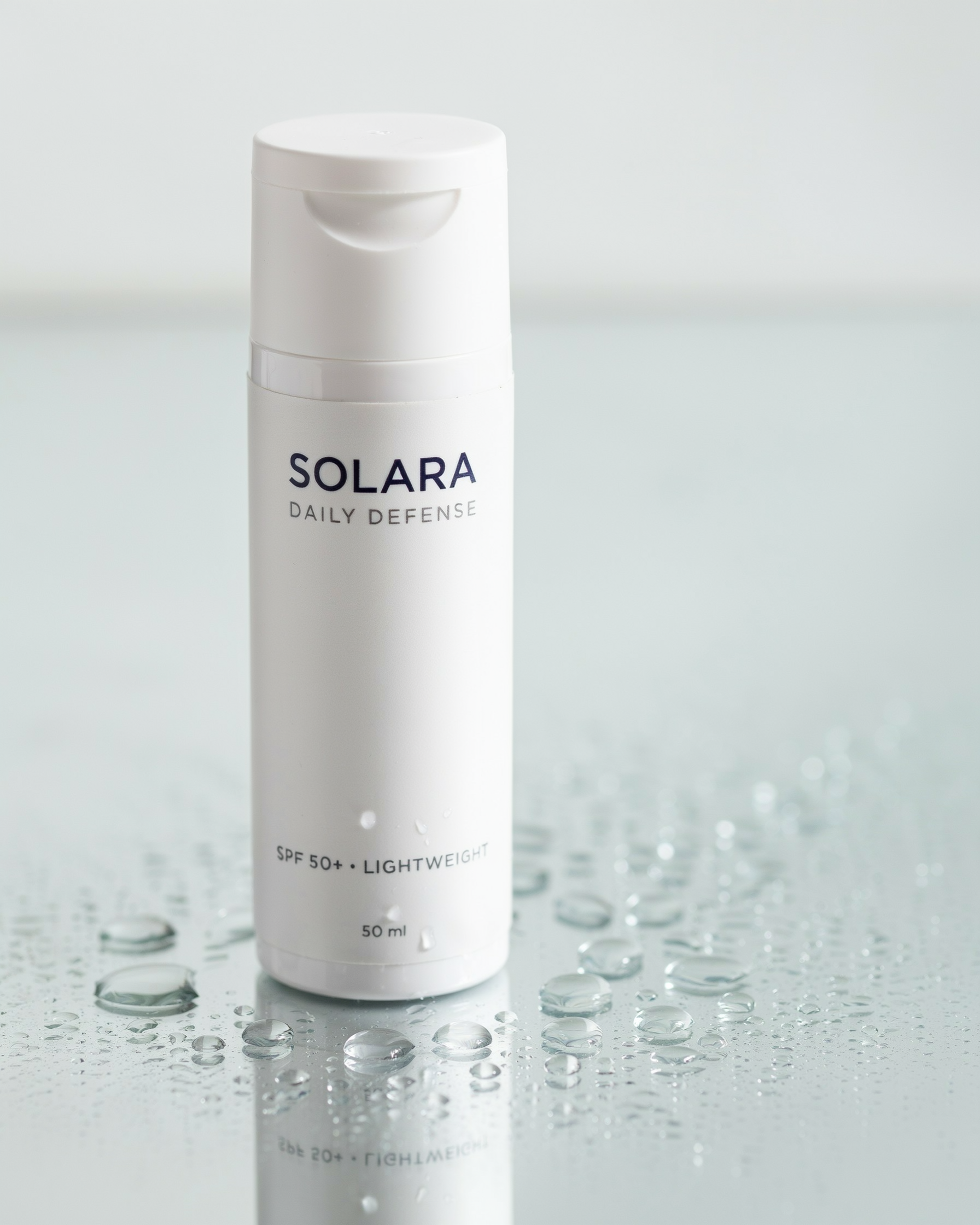
Finding the best sunscreen for oily skin UAE residents can rely on starts with understanding why UV protection matters for shine-prone, breakout-prone complexions. We see the same pattern every summer: customers skip SPF because they think it'll clog pores or make their face look greasy by midday. That instinct usually backfires, because unprotected sun exposure triggers the very oil production and irritation they were trying to avoid.
In this article
- Why Oily Skin Needs Sunscreen Every Day
- What Makes a Sunscreen Right for Oily Skin
- SPF 50 Sunscreen UAE: Why the Higher Protection Matters
- Sunscreen for Acne Prone Skin: Ingredients That Help and Hurt
- Korean Sunscreen for Oily Skin: Lightweight Formulas That Work
- How to Apply Sunscreen Correctly on Oily Skin
- Common Mistakes That Make Oily Skin Worse
- Shopping for Sunscreen in the UAE: What to Check on the Label
- Frequently Asked Questions
- How often should I reapply sunscreen on oily skin in the UAE?
- Can I wear sunscreen under makeup if my skin gets shiny?
- Do I need sunscreen indoors or in the car in the UAE?
- Is Korean sunscreen good for oily skin?
- What should I look for in a sunscreen for acne prone skin?
- How much sunscreen should I use on my face?
Key takeaways
- UV exposure weakens the skin barrier, which can make oily skin produce even more sebum.
- Skipping sunscreen often worsens post-acne marks and makes breakouts look redder for longer.
- The right oil free sunscreen UAE formula protects without adding shine or heaviness.
- Daily SPF is a non-negotiable step, even on cloudy days and indoors near windows.
Why Oily Skin Needs Sunscreen Every Day
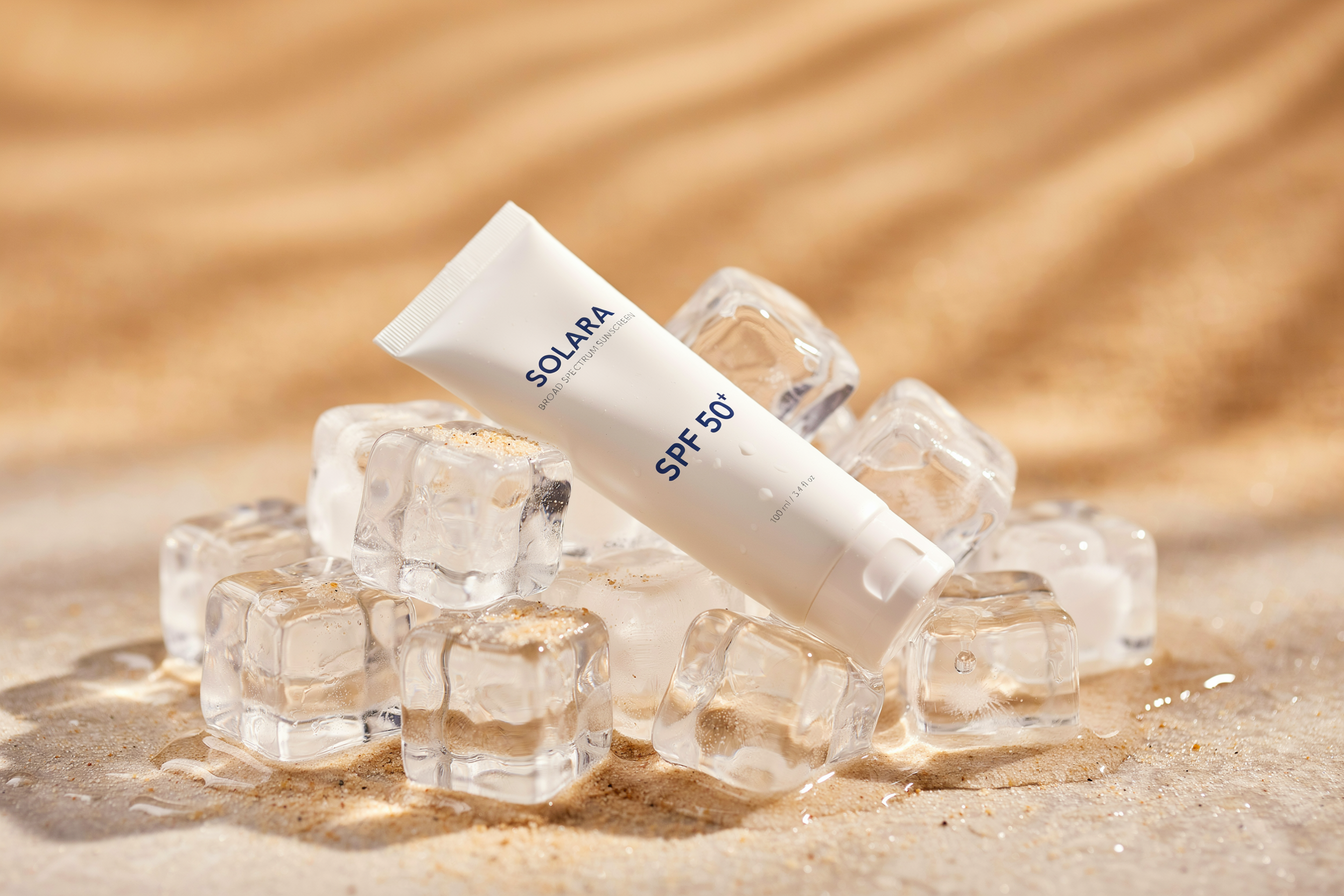
Oily skin already produces more sebum than it needs, and UV rays make that imbalance worse. When the skin barrier gets stressed by sun exposure, it often responds by ramping up oil production as a protective reflex. The result is a shinier T-zone by midday and a higher chance of clogged pores. What surprises most people is that the sun also thickens the outer layer of skin over time, which traps dead cells and sebum inside the pore. That combination is a direct trigger for blackheads and breakouts.
There's another reason sunscreen matters for acne-prone skin specifically. Post-inflammatory hyperpigmentation, those flat brown or red marks left behind after a pimple heals, darkens significantly with UV exposure. A mark that would fade in three weeks can linger for months if it's exposed to sun every day. Wearing a lightweight, non-comedogenic SPF keeps those marks from deepening and gives the skin a chance to recover evenly.
We also hear from customers who assume their foundation or moisturizer with SPF is enough. It usually isn't, because most people apply far less product than the labelled protection assumes. A dedicated sunscreen layer, applied generously and reapplied before extended sun exposure, is the only reliable way to get the stated protection. For oily skin, the right formula should feel like a light fluid or gel rather than a heavy cream, so it sits comfortably under makeup and doesn't add extra shine.
What Makes a Sunscreen Right for Oily Skin
Oily skin doesn't need less protection. It needs a different vehicle. The best sunscreen for oily skin UAE is usually one that disappears into the skin instead of sitting on top of it, because that heavy, greasy layer is exactly what makes shine worse by midday.
An oil free sunscreen UAE is the obvious starting point. These formulas skip mineral oil, petrolatum, and rich plant butters that can trap sebum and trigger breakouts. Look for labels that say non-comedogenic, which means the product was formulated not to clog pores. It's not a guarantee, but it filters out the heaviest offenders.
Texture matters as much as ingredients. Lightweight gels, fluids, and water-based creams absorb fast and leave little residue. Mattifying formulas go one step further, often with silica or clay derivatives that soak up excess oil for a few hours. If your skin turns shiny by lunchtime, a mattifying SPF can buy you extra time before you need a blotting paper.
Heavy creams have their place, but not on an oily T-zone. They tend to form a film that mixes with sebum and slides around, which can make sunscreen migrate into your eyes or settle into fine lines. A fast-absorbing fluid stays put and layers cleanly under makeup.
One practical test: after applying, wait two minutes and press a tissue to your cheek. If the tissue picks up a visible slick, the formula is probably too rich for your skin type. The right product feels like a light moisturizer, not a mask.
SPF 50 Sunscreen UAE: Why the Higher Protection Matters
SPF 50 sunscreen UAE is a sensible default when the UV index regularly sits between 10 and 12 from April through September. That level of exposure means a lower SPF still works, but you get less room for error. SPF 30 blocks roughly 97% of UVB rays. SPF 50 blocks about 98%. The difference sounds small, but it matters when you apply less than the recommended amount, which most people do. A thinner layer of SPF 50 still leaves you better protected than a thin layer of SPF 30.
The SPF number only measures UVB protection, the rays that cause sunburn and contribute to skin cancer. It says nothing about UVA, which penetrates deeper and drives premature aging, hyperpigmentation, and the breakdown of collagen. That's why the label needs to say broad spectrum. A broad spectrum SPF 50 sunscreen UAE formula covers both UVB and UVA, and that dual coverage is what keeps oily skin from developing the uneven tone and dark spots that are so common in this climate.
Heat and humidity also change the math. Sunscreen breaks down faster when you sweat, and oily skin tends to produce more shine throughout the day. An oil free sunscreen UAE formula with SPF 50 gives you a higher protection ceiling while keeping the finish matte. Reapply every two hours when you're outdoors, and more often if you're swimming or wiping your face. The higher SPF isn't a license to skip reapplication, but it does give you a buffer on days when you miss the two hour mark by a bit.
For daily commutes and short errands, SPF 30 is adequate. For beach days, outdoor workouts, or long drives with sun coming through the window, SPF 50 is the better call. We stock several broad spectrum SPF 50 options at Bellavest | Shop by Skin Type, so you can compare finishes and textures before committing.
Sunscreen for Acne Prone Skin: Ingredients That Help and Hurt
Breakouts and sunscreen can feel like a bad match. You want protection, but the wrong formula can leave your face greasy, clogged, and irritated. The good news is that sunscreen for acne prone skin has come a long way, and the right ingredients make a real difference.
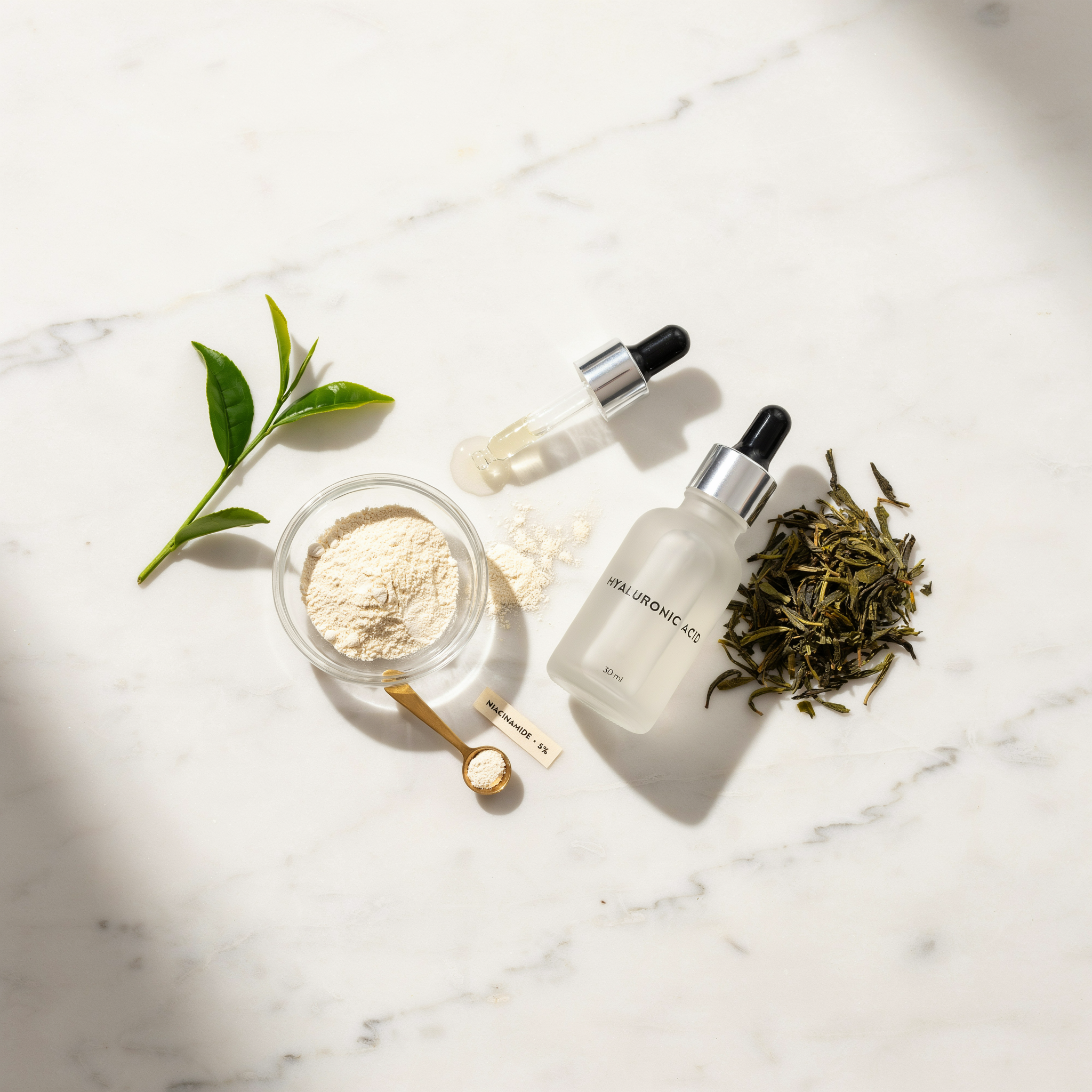
Look for zinc oxide and titanium dioxide. These mineral filters sit on top of the skin instead of sinking in, which means they rarely trigger the inflammatory response that worsens acne. Niacinamide is another ingredient worth seeking out. It calms redness, helps regulate oil production, and strengthens the skin barrier without adding weight. Many formulas also include silica or tapioca starch to absorb excess shine throughout the day.
What should you avoid? Heavy oils like coconut oil, mineral oil, and cocoa butter can trap dead skin cells and sebum inside the pore, which is exactly what you don't want. Fragrance and denatured alcohol are common irritants too. They may make a sunscreen feel lighter at first, but they can strip the skin and trigger rebound oiliness by mid-afternoon. If your skin stings after applying, check the ingredient list before blaming the SPF itself.
One practical tip: patch test a new sunscreen on your jawline for three days before using it all over your face. Breakouts from a product usually show up within that window, and a small test area is far easier to manage than a full-face reaction. And remember that skipping sunscreen because you're afraid of breakouts creates a bigger problem. UV exposure darkens post-acne marks and slows healing, so the scars linger longer.
At Bellavest | Shop by Skin Type, we keep the ingredient lists visible on every product page so you can check for pore-clogging offenders before you buy. A lightweight, non-comedogenic formula applied every morning is one of the simplest ways to keep acne-prone skin calm and protected under the UAE sun.
Korean Sunscreen for Oily Skin: Lightweight Formulas That Work
Korean sunscreen for oily skin has earned a loyal following in the UAE because the textures feel nothing like the thick, greasy creams many of us grew up with. Gel and essence formulas absorb in seconds, leave no white cast, and sit comfortably under makeup even when humidity climbs past 80 percent. That matters when you're stepping out of an air-conditioned office into 45-degree heat and need protection that won't slide off by midday.
What separates these formulas is the base. Water-based gels and watery essences spread thin and dry down to a soft, almost powdery finish, which helps control shine through the afternoon. Many also include niacinamide, centella asiatica, or green tea extract, ingredients that calm redness and support the skin barrier without adding oil. Look for labels that say "oil free sunscreen UAE" or "water-based" when you shop, and check the ingredient list for denatured alcohol if your skin is sensitive. A little alcohol can speed up drying, but it can also sting if your barrier is compromised.
When buying Korean sunscreen for oily skin in the UAE, verify the SPF and PA rating on the packaging. A PA++++ rating means strong UVA protection, which matters for preventing dark spots and premature aging in this climate. Also confirm the product is fresh and sealed, since heat during shipping can degrade some formulas. Delivery Information | Bellavest UAE on our site explains how we handle temperature-sensitive skincare so your sunscreen arrives in good condition. And if you're not sure which texture suits your skin, our Free Skin Consultation - Bellavest team can point you toward a gel or essence that matches your routine.
One practical tip: apply Korean sunscreen for oily skin in two thin layers rather than one thick coat. The first layer sinks in fast, and the second ensures even coverage without pilling. Reapply every two hours if you're outdoors, and keep a small tube in your bag for midday touch-ups. The right formula makes daily SPF feel like a step you actually look forward to, not a chore you skip.
How to Apply Sunscreen Correctly on Oily Skin
Getting the best sunscreen for oily skin UAE means nothing if you apply it wrong. Most people use about half the amount they need, which cuts the SPF protection roughly in half too. For your face and neck, you need about two finger lengths of product. Squeeze a line along your index and middle fingers, then dot it across your forehead, cheeks, nose, and chin before blending outward.
Wait for your moisturizer to sink in first. Give it two or three minutes after applying a lightweight, oil free sunscreen UAE formula or your daily moisturizer, then apply sunscreen as the next layer. If you use a serum, let that absorb before moisturizer, then sunscreen on top. Sunscreen always goes last in your skincare routine, before makeup.
When you wear foundation, press the sunscreen in with your palms rather than rubbing. Rubbing creates friction that can pill, especially with silicone-heavy primers or water-based foundations. A gentle pressing motion helps the sunscreen settle into the skin without balling up. If pilling still happens, check whether your moisturizer and sunscreen share the same base, water-based or silicone-based. Mismatched bases are the usual culprit.
Reapply every two hours when you're outdoors, and immediately after swimming or sweating. Over makeup, a powder sunscreen or a setting spray with SPF works without disturbing your base. A stick sunscreen is also practical for midday touch-ups on oily skin because it won't add shine.
One more thing: don't forget your ears, the back of your neck, and your eyelids. Oily skin often means larger pores around the nose and forehead, so take an extra second to press product into those areas. The goal is even coverage, not a thick layer that slides off by midday.
Common Mistakes That Make Oily Skin Worse
Most oily skin problems in the UAE aren't caused by sunscreen itself. They come from how it's used. One of the biggest errors is skipping sunscreen indoors. UV rays pass through windows, and UVA exposure is constant in offices, cars, and apartments with large glass panels. If you sit near a window during a Dubai commute or workday, unprotected skin still gets daily damage. The fix is simple: apply the best sunscreen for oily skin UAE every morning, even when you plan to stay inside.
Using too little product is another common mistake. Most people apply a thin layer, which cuts the stated SPF protection roughly in half. For the face and neck, you need about two finger lengths of sunscreen. That amount feels heavier on oily skin, which is why a lightweight, oil free sunscreen UAE formula helps. Gel and fluid textures spread thinly without adding shine.
Choosing the wrong texture causes breakouts and a greasy finish. Heavy creams and body sunscreens clog pores. A sunscreen for acne prone skin should be labeled non-comedogenic and avoid heavy oils. Look for zinc oxide, niacinamide, or silica, which absorb excess sebum.
Rubbing sunscreen in too aggressively also irritates oily, acne-prone skin. Pat it on gently and let it set for a few minutes before makeup. Reapplication matters too. One morning layer doesn't last through a full UAE afternoon. Reapply every two hours if you're outdoors, and choose a mist or powder SPF for touch-ups over makeup.
Shopping for Sunscreen in the UAE: What to Check on the Label
Labels on sunscreen bottles sold in the UAE pack a lot of information into a small space, and most of it matters when you have oily skin. Start with the SPF number, then look for the PA rating, which tells you how well the formula blocks UVA rays. A PA+++ or PA++++ rating is what you want for daily wear in this climate, because UVA exposure stays high even when the sun feels mild. If you see only an SPF number and no PA rating, the product is likely not giving you the full protection you need for long days outdoors.
Next, scan the ingredient list for the words oil free sunscreen UAE shoppers should prioritise. Look for formulas labelled "oil free," "non-comedogenic," or "mattifying." These terms aren't regulated everywhere, so check the actual ingredients too. Silica, zinc oxide, and niacinamide help absorb excess sebum and keep shine under control. Avoid heavy emollients like mineral oil, coconut oil, and shea butter near the top of the list, because they can sit on the skin and clog pores in high humidity.
Heat and humidity change how a sunscreen behaves. A formula that feels light in an air-conditioned store can turn greasy within an hour outdoors. Choose gel, fluid, or water-based textures over thick creams. If you're buying online, filter for "mattifying" or "oil control" and check the product description for the finish it promises. Bellavest carries a curated range of sunscreens suited to the UAE climate, so you can compare textures and ingredient lists side by side before you buy.
One more detail: check the expiry date and storage instructions. Sunscreen degrades faster in heat, and a bottle left in a hot car won't protect as well. Keep it below 30°C when you can, and replace it if the texture separates or the smell changes.
Frequently Asked Questions
How often should I reapply sunscreen on oily skin in the UAE?
Reapply every two hours when you're outdoors, and immediately after sweating or swimming. In Dubai's summer heat, a lightweight gel or fluid formula re-applies cleanly without piling up, which keeps the best sunscreen for oily skin UAE working through the afternoon.
Can I wear sunscreen under makeup if my skin gets shiny?
Yes. Let the sunscreen set for five to ten minutes before applying a mattifying primer or powder foundation. A water-based, oil free sunscreen UAE absorbs faster and creates less slip under makeup, so your base stays put instead of sliding off by midday.
Do I need sunscreen indoors or in the car in the UAE?
Yes. UVA rays pass through window glass, and daily driving or sitting near office windows adds up. A broad spectrum SPF 50 sunscreen UAE protects against that cumulative exposure, which matters for oily skin types prone to post-inflammatory dark spots.
Is Korean sunscreen good for oily skin?
Korean sunscreen for oily skin usually uses lightweight chemical filters and hydrating bases like hyaluronic acid, so it feels closer to a serum than a cream. Many formulas dry down to a soft matte finish, making them a practical choice for humid Gulf weather.
What should I look for in a sunscreen for acne prone skin?
Choose a non-comedogenic formula labeled oil free, and avoid heavy mineral oils or coconut oil. Niacinamide and zinc oxide help calm breakouts while protecting skin. A sunscreen for acne prone skin should feel weightless, never greasy, after it dries.
How much sunscreen should I use on my face?
Use about two finger lengths of product for your face and neck. Most people apply half that amount, which cuts the stated protection significantly. With oily skin, apply in thin layers and let each one settle for a minute before the next.